
Blog
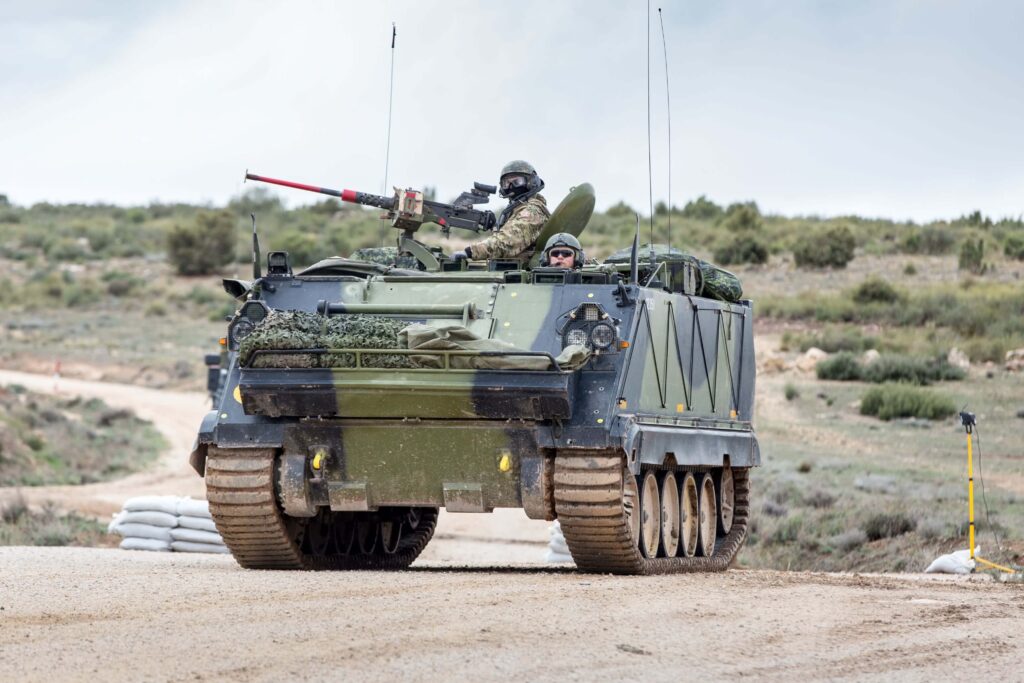
How composite rubber track can offer an improved lifecycle and reduced maintenance burden
Today, advancement in continuous tracks continue at pace, and a relatively new form looks to offer an extended lifecycle and reduced maintenance time and costs.
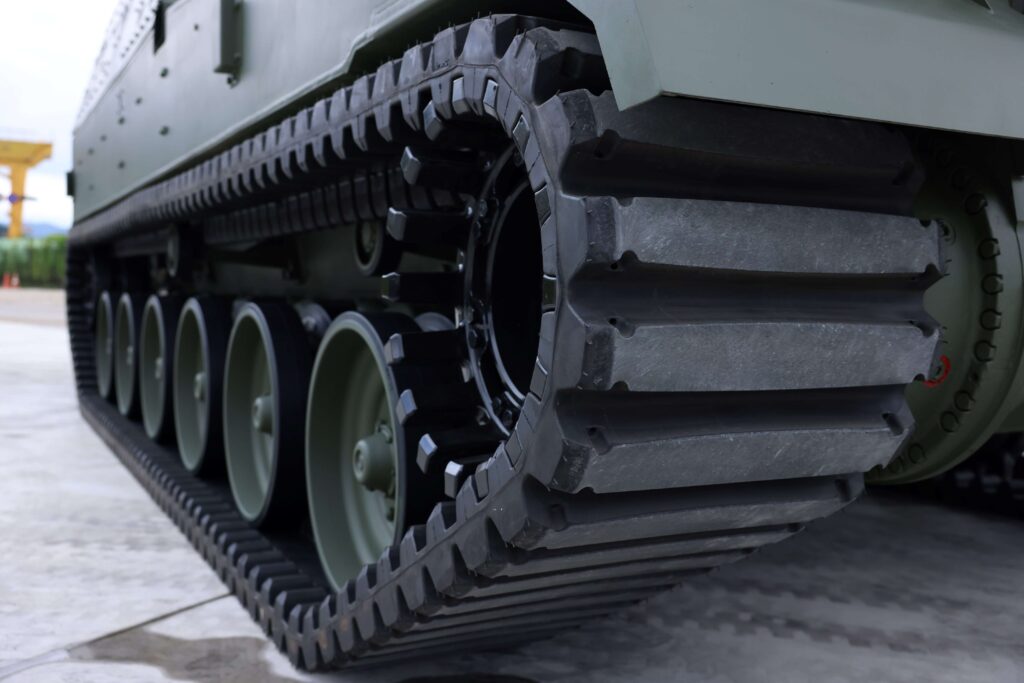
Case Study: Tracked Vehicles’ TLCM
Through Life Capability Management is a comprehensive approach to ensure the longevity, performance, and cost-effectiveness of defence materiel…with some surprising innovations.
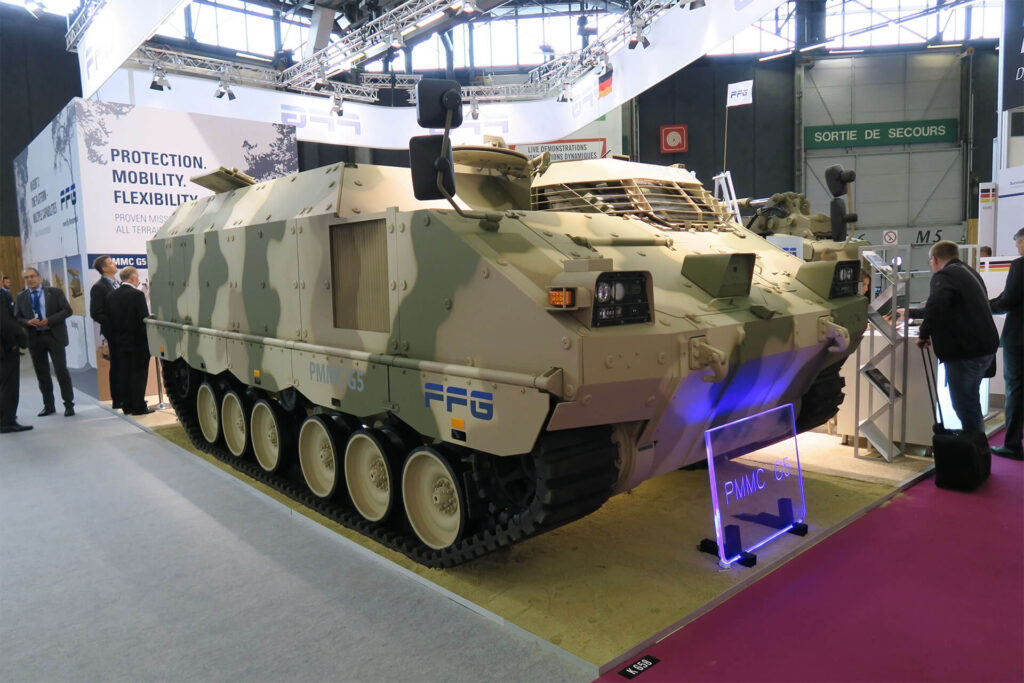
The Revenge of the Tracks
The debate between tracks and wheels is never-ending, but new models of tracked vehicles start re-populating the market.
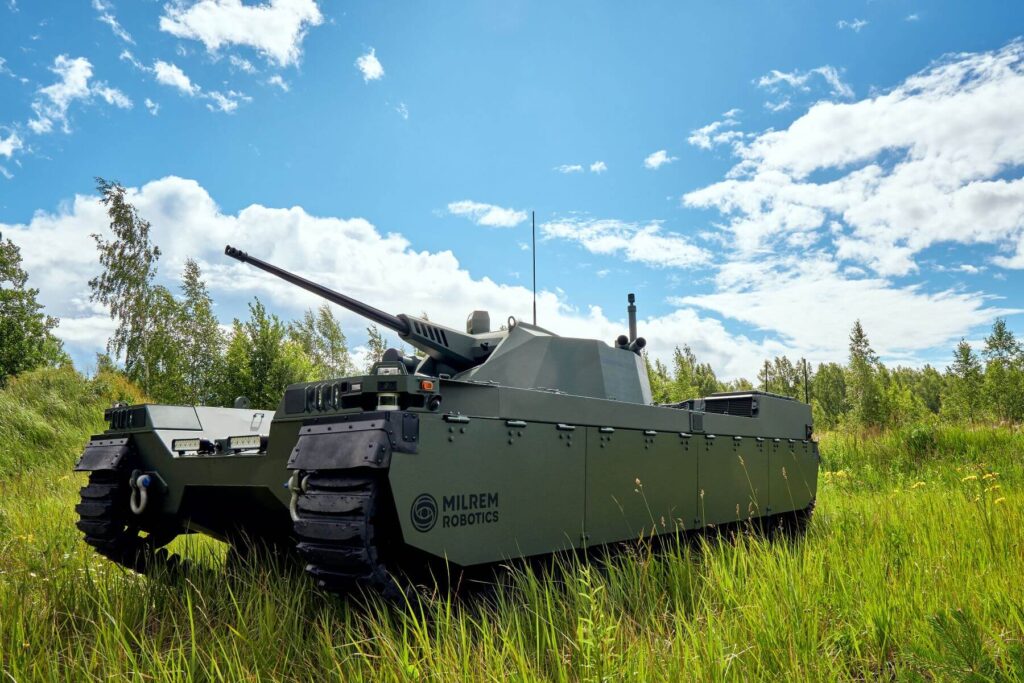
Fighting the Growth and Weight Spiral
As peer warfare in Europe has reared its head in the wake of Russia’s invasion of Ukraine, the pressure on the West’s armed forces to modernise their ground vehicle fleets has increased. Militaries turning to industry to meet these requirements have often found that while modern offers are much more capable than those of yesteryear, they are also typically much heavier. This article examines and evaluates some of the approaches aimed at tackling this problem.
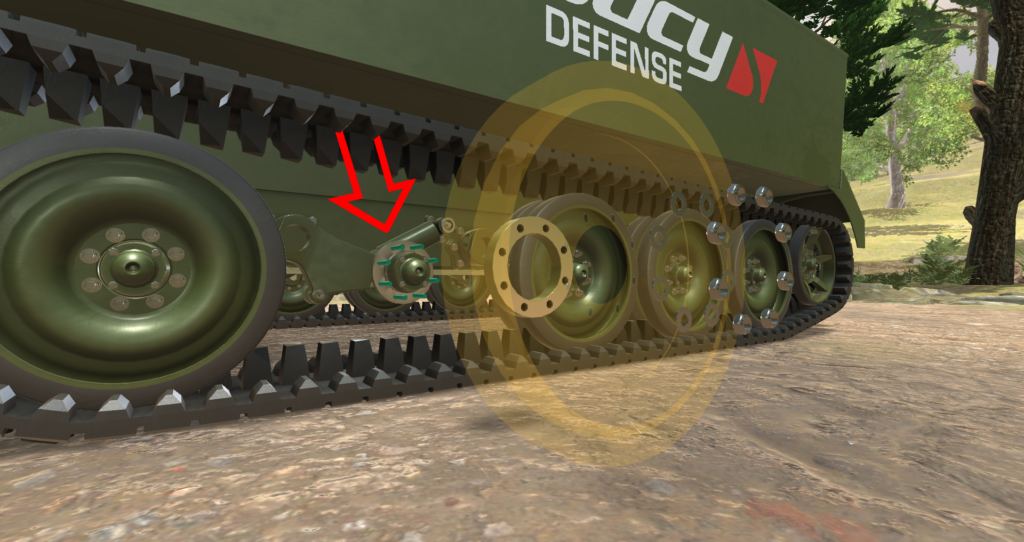
The new mission readiness advantage for Defence: the Gamification of Training for increased combat readiness
Gamification and 3D Training is an important new tool that Defence is using to support readiness for combat.

What the onset of ‘General Winter’ means for vehicle operational capabilities in Ukraine
Winter has been a key player throughout the military history of both Russia and Ukraine, most famously helping to half the advance of both Hitler and Napoleon, but factoring into any number of smaller conflicts too. For its many contributions, the region’s frosty...
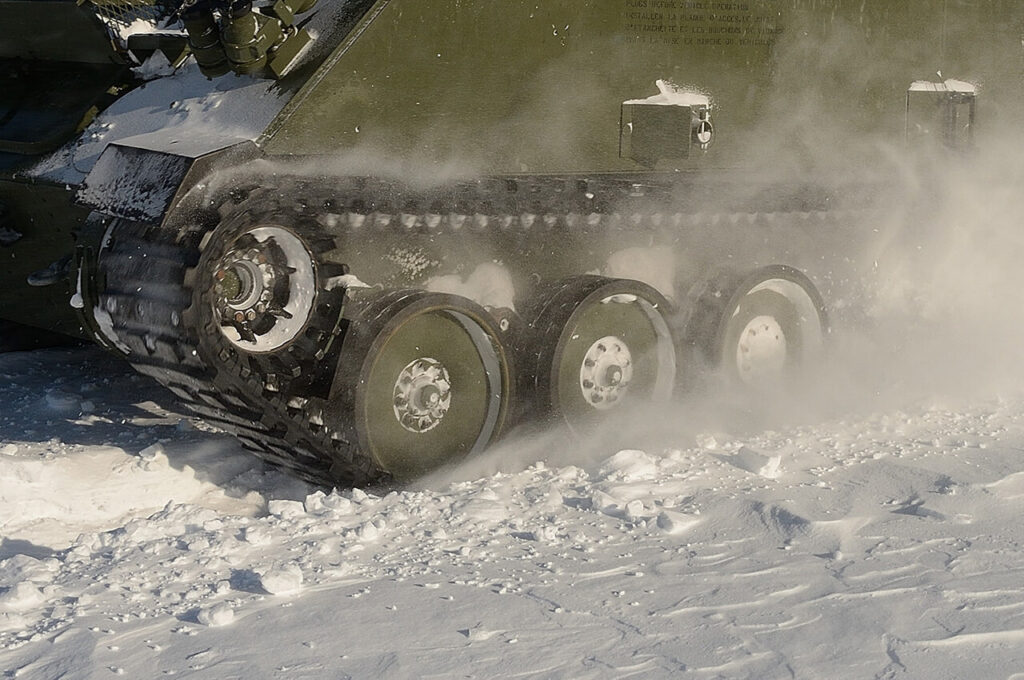
Composite Rubber Track (CRT) and Climatic Conditions
CRT has been fitted to Armoured Vehicles (AVs) since 1988 and is currently integrated on several different platforms such as M113, CV90 and BRONCO to name a few, reaching from North America to Asia.
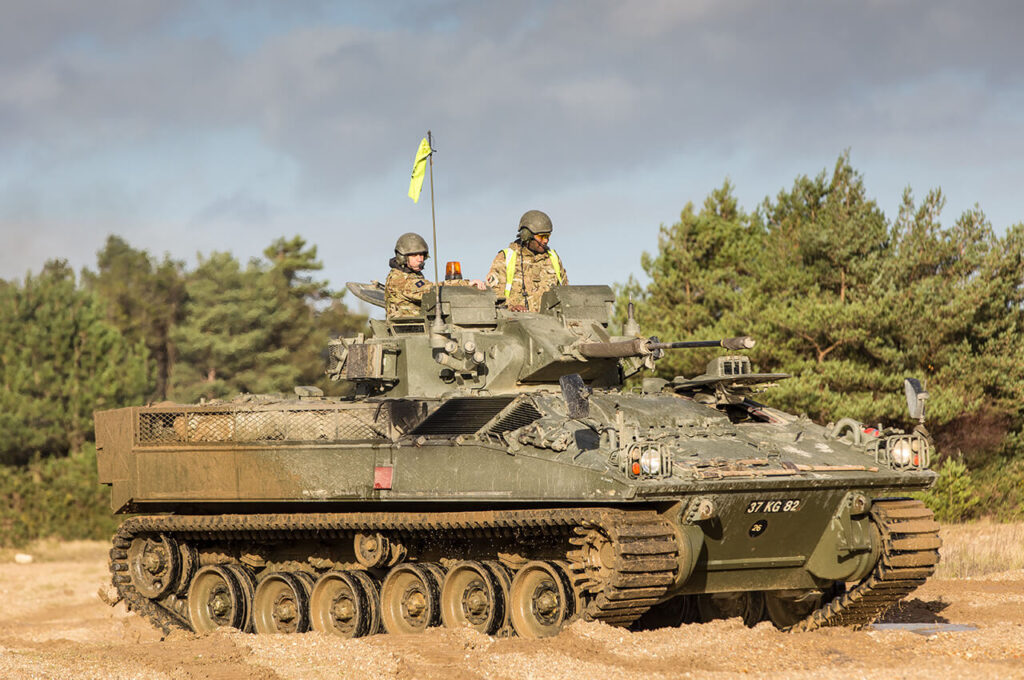
UK Warrior Trial Report
Armoured Trials and Development Unit (ATDU) conducted a Private Venture (PV) trial on behalf of Soucy Defense. The trial aim was to build the UK MOD’s confidence in Composite Rubber Track (CRT) technology by validating Soucy’s performance claims, in order to inform future Armoured Vehicle Programme (AVP) capability decisions.
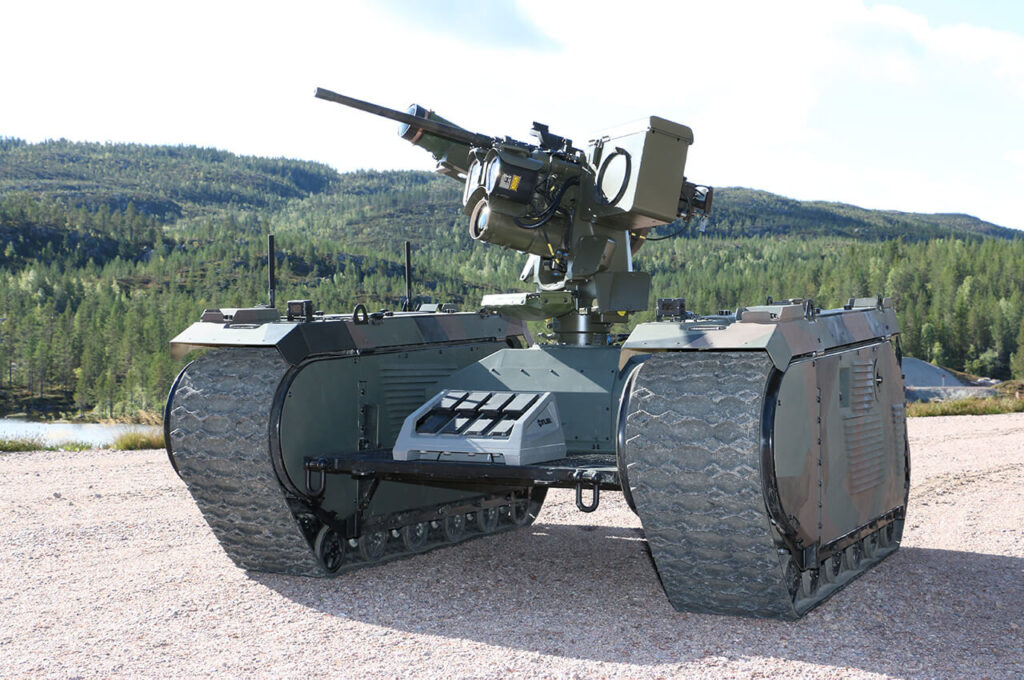
Composite Rubber Track and Robotic Combat Vehicle
Militaries worldwide are actively evaluating the benefits of Autonomous/ Robotic Combat Vehicles (RCVs). Within the next 5 – 10 years, RCV’s could be at a Military Commanders disposal, and play an active part on the battlefield of the near future.
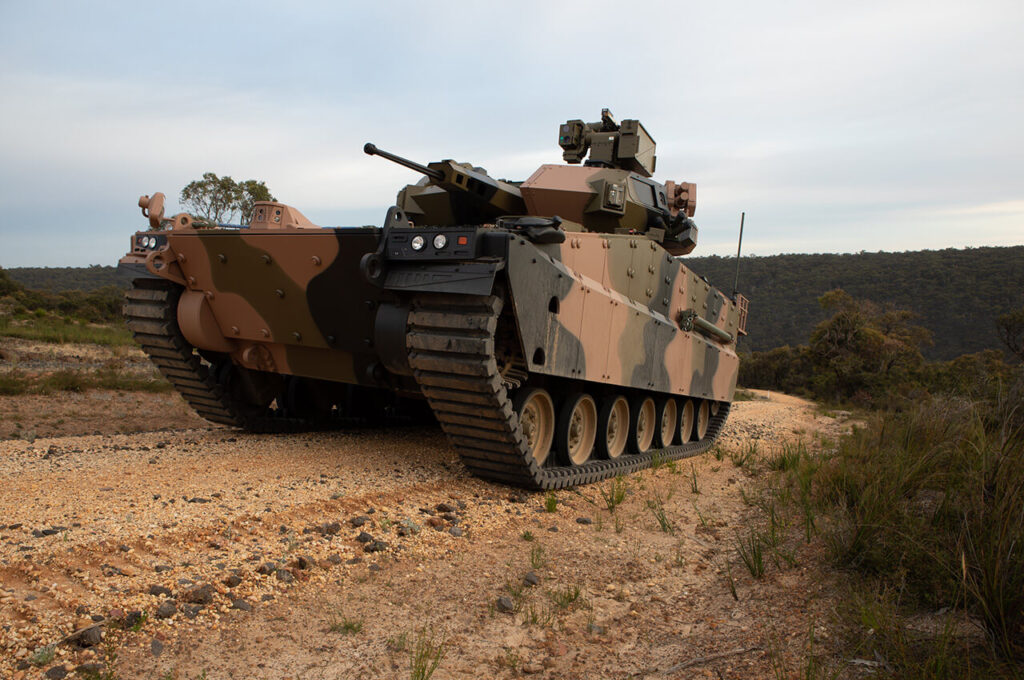
Wheels or Tracks?
or should the choice be something in the middle. The benefits of wheels without the disbenefits of steel that would really be an attractive solution, wouldn't it?